
Indian Temple Mound Museum: A Journey Through 12,000 Years of Northwest Florida History
August 03, 2025

We spent around two hours exploring the incredible archaeological site, climbing the temple mound and examining rare Native American artifacts that told stories older than most historical records. The museum's compact size and rich collection made it a surprisingly engaging stop, especially with the multi-museum ticket that let us explore additional historic buildings in the Heritage Park.
Uncover the hidden world of Northwest Florida's Native American civilization atop a 17-foot prehistoric temple mound that survived centuries. Step into a museum where 12,000 years of indigenous history are preserved in ceramic, stone, and bone artifacts rarely seen outside specialized archaeological collections.
Need-to-Know Info Before Visiting Indian Temple Mound Museum



5+
images
Indian Temple Mound Museum Address
139 Miracle Strip Parkway SE, Fort Walton Beach, FL 32548
Indian Temple Mound Museum Opening Hours
- 🕒 Tuesday-Saturday: 10 AM - 4 PM
- 🕒 Sunday-Monday: Closed
- 🕒 Holiday hours may vary
How to get to Indian Temple Mound Museum
- 🚗 By car: Directly accessible from US Highway 98
- 🚌 Public transport: Okaloosa County Transit available nearby
- 🚕 Rideshare: Uber and Lyft operate in the area
What is Indian Temple Mound Museum known for?
- Houses artifacts documenting 12,000 years of Native American history
- Features a 17-foot-tall prehistoric temple mound constructed between AD 800-1500
- Exhibits ceramic artifacts, stone tools, and indigenous cultural materials
- Part of Heritage Park and Cultural Center with four interconnected museums
- Offers comprehensive research library on regional prehistoric cultures
What is Indian Temple Mound Museum in Fort Walton Beach?
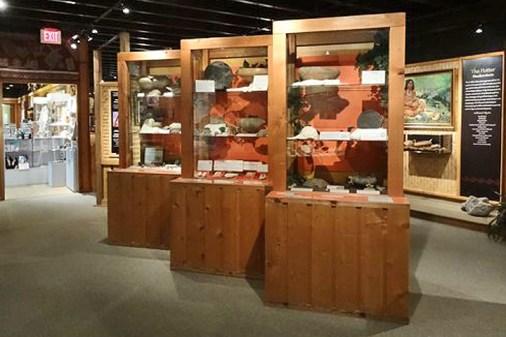
Tucked away in the heart of Fort Walton Beach, the Indian Temple Mound Museum stands as a gateway to Northwest Florida's rich Native American history. This compact museum packs a punch with its extensive collection of archaeological treasures, drawing history buffs and curious travelers to explore 12,000 years of indigenous culture. The centerpiece is a remarkable 17-foot-tall temple mound - a prehistoric earthwork constructed between AD 800 and 1500, representing one of the largest archaeological sites on the Gulf Coast. Visitors can walk through a re-created temple and explore exhibits featuring intricate ceramic artifacts, stone tools, bone implements, and shell crafts that tell the story of Southeastern Native American tribes. What makes this museum special is its comprehensive approach - it's not just a display of artifacts, but a storytelling space that connects visitors directly to the region's deep cultural roots. As part of the Heritage Park and Cultural Center, the museum offers a unique ticket that grants access to four interconnected museums, making it a budget-friendly stop for travelers interested in local history and archaeology.
Top things to do at Indian Temple Mound Museum
- Climb the 17-foot prehistoric temple mound and experience the archaeological landscape that dates back to AD 800-1500
- Explore the comprehensive research library with extensive Native American historical documents and archaeological records
- Examine rare ceramic artifacts crafted by Southeastern Native American tribes, including intricate stone, bone, and shell implements
- Visit the re-created temple exhibition center to understand indigenous architectural and cultural practices
- Take advantage of the multi-museum ticket to explore connected exhibits at Heritage Park and Cultural Center, including Camp Walton Schoolhouse Museum and Civil War Exhibit Building
- Attend educational programs and special events that provide deeper insights into Northwest Florida's prehistoric and cultural history
Tickets and Admission
The Indian Temple Mound Museum offers an affordable and comprehensive ticket that covers admission to four interconnected museums within the Heritage Park and Cultural Center. Adult tickets are typically priced around $8-10, with discounts available for seniors, students, and children. The multi-museum pass represents exceptional value for visitors interested in local history and archaeology.
Cultural Significance
The museum serves as a critical preservation center for Northwest Florida's indigenous heritage, documenting 12,000 years of Native American history. The 17-foot temple mound represents one of the most significant archaeological sites on the Gulf Coast, offering insights into the ceremonial and political practices of Southeastern Native American tribes. By protecting and presenting these artifacts, the museum plays a crucial role in maintaining and educating about the region's rich cultural landscape.
History of Indian Temple Mound Museum
- 14000 BC: Earliest human settlements in Northwest Florida region
- AD 800-1500: Construction of the 17-foot temple mound
- Mid-20th Century: Establishment of museum to preserve local archaeological heritage
- 1990s: Incorporation into Heritage Park and Cultural Center
- 2000s: Expansion of research library and educational programs
- Present Day: Continues mission of cultural preservation and education
Tips for Visitors
- Allocate 1-2 hours for a comprehensive museum visit
- Wear comfortable walking shoes for exploring the temple mound
- Bring a water bottle, especially during summer months
- Photography is permitted in most exhibit areas
- Check website for special events and educational programs
- Accessibility ramps available for visitors with mobility challenges
What are some interesting facts about Indian Temple Mound Museum?
- The temple mound was constructed using approximately 500,000 basket-loads of earth, making it potentially the largest prehistoric earthwork on the entire Gulf Coast
- Local Native American tribes still consider this site sacred, with archaeological evidence suggesting continuous cultural significance for over 1,000 years
- The museum's collection includes rare artifacts crafted from materials like bone and shells, representing techniques that have been lost to modern generations